
There is a place in Sardinia where the wind has sculpted the rock like a patient artist, working for millions of years to create shapes that seem to belong to a dream. This is **Capo Testa**, the northernmost headland of Gallura, where pink granite bends into smooth curves, breaks into enormous boulders and hides, between one rock formation and another, secluded coves that few people truly know. Those who only seek out the island’s most photographed beach risk missing its greatest treasures: peaceful inlets, accessible on foot or by boat, where the sea changes colour throughout the day and local legends still seem to linger in the air.
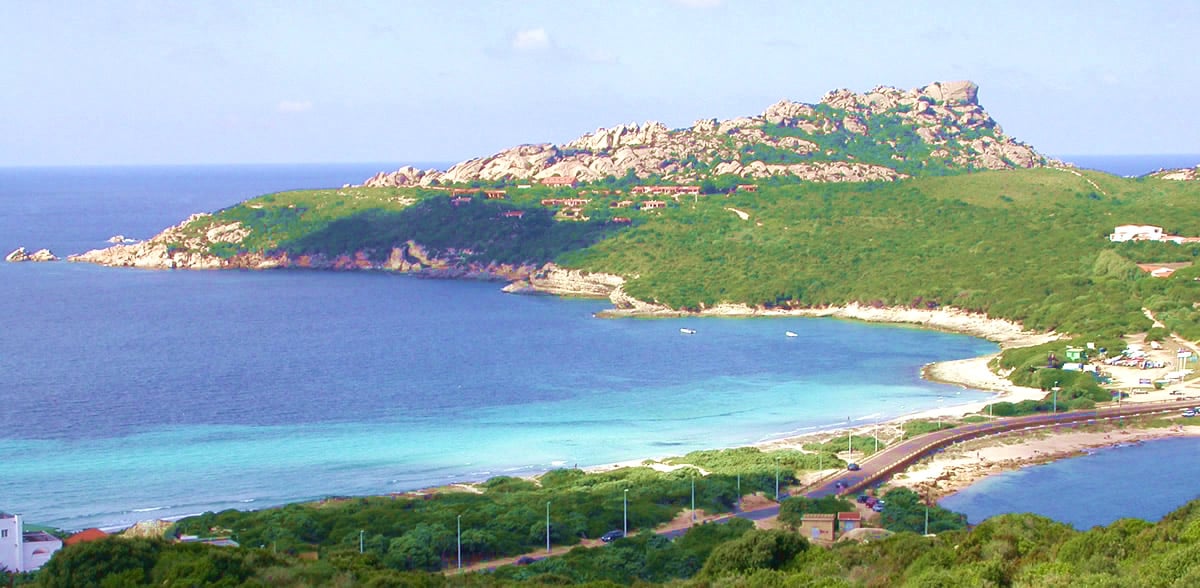 Photo credit: Wikipedia
## Granite That Tells a Story
Capo Testa is far more than a rocky headland: it is an open-air geological museum. Its granite formations, shaped by the Mistral wind over hundreds of thousands of years, have created natural sculptures known as tafoni—rounded cavities once used by shepherds as shelters. Walking among these impressive rock formations feels like stepping onto a lunar landscape, made even more striking by the contrast between the pink granite, the green Mediterranean scrub and the deep blue sea.
It is no coincidence that the Romans chose these very quarries to extract the granite columns that now stand in Rome’s Pantheon. Capo Testa granite was regarded as one of the finest building materials of the ancient world, and traces of the old quarries can still be seen along the trails leading to the lighthouse.
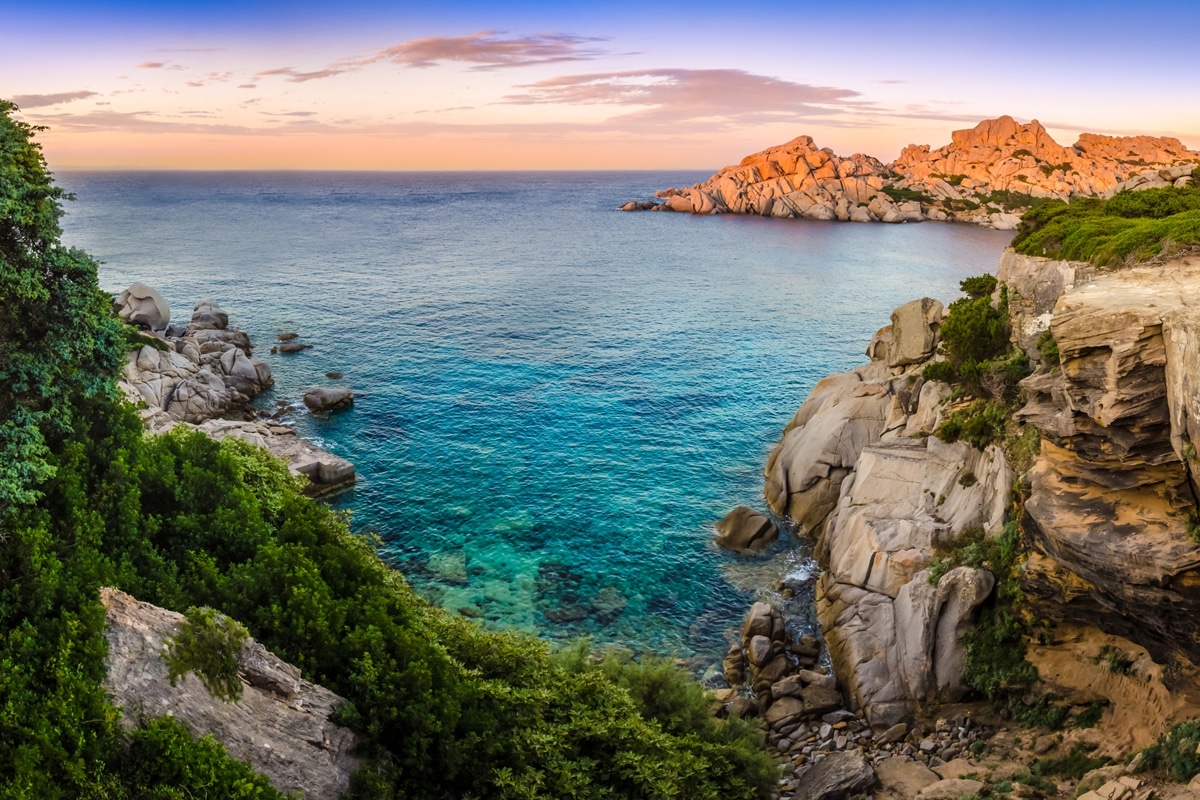 Photo credit: Wikipedia
## Hidden Beaches Beyond the Crowds
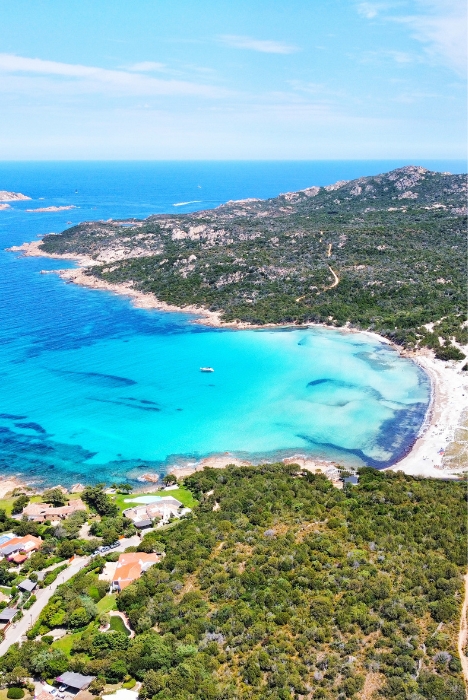
While **Rena di Ponente** attracts thousands of visitors every summer, just a short distance away lie far quieter coves, perfect for travellers looking for crystal-clear waters and peaceful surroundings without sacrificing the spectacular granite scenery.
Cala Grande and Cala Spinosa, reached via a short walk along unpaved paths from the lighthouse area, offer transparent waters framed by smooth granite rocks. These are unspoilt beaches with no facilities, ideal for those who need nothing more than a towel and the sound of the sea.
Punta Falcone, slightly farther east, offers one of the most breathtaking viewpoints along the Gallura coastline. From here, visitors can admire the Strait of Bonifacio and, on clear days, the island of Corsica. The beach is small, partly covered with pebbles, and remarkably peaceful even during the height of August.
Valle della Luna (Valley of the Moon), just outside Santa Teresa Gallura, takes its name from its extraordinary rock formations that resemble an otherworldly landscape. Huge rounded granite boulders slope gently towards the sea, creating natural pools where the water warms pleasantly under the Mediterranean sun.
Visitors staying in the area can easily organise excursions to these hidden coves from a convenient base such as the Hotel La Coluccia, overlooking the coast just a few minutes from Santa Teresa Gallura and the La Maddalena Archipelago. Thanks to its privileged location, many of these secluded spots can be reached by car or boat in less than thirty minutes.
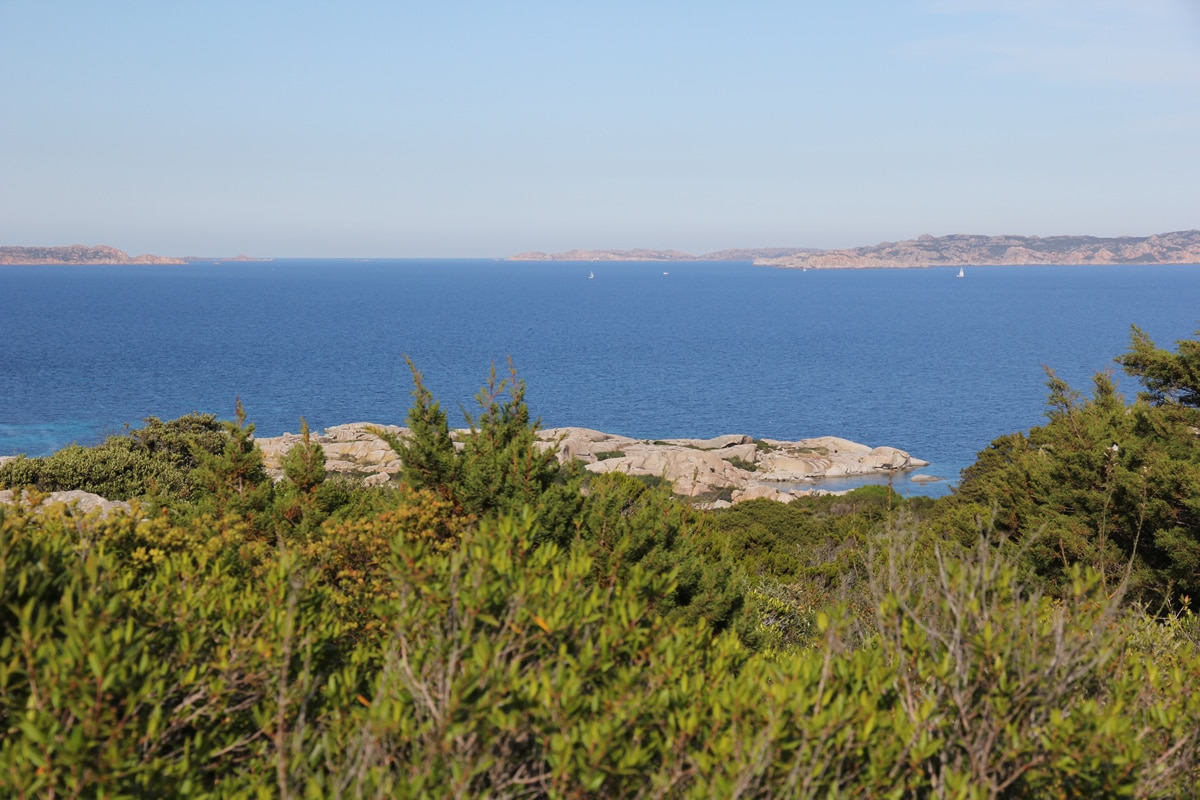 Photo credit: Wikipedia
The Wind: The Silent Protagonist
In Gallura, the wind is far more than a weather phenomenon—it is almost a character in its own right. The Mistral, which blows consistently throughout spring and autumn, has shaped not only the granite landscape but also local traditions. Elderly residents still tell stories of the wind “speaking” through the tafoni, producing haunting sounds as it whistles through the rock cavities during stormy nights.
It is therefore no surprise that Capo Testa has become one of Sardinia’s favourite destinations for windsurfers and kitesurfers, who take advantage of the steady winds sweeping across the Strait of Bonifacio, one of the windiest stretches of sea in the Mediterranean.
Gallura Legends Between Rock and Sea
Gallura is a land of oral traditions, many of them closely linked to the remarkable rock formations scattered along its coastline. According to local legend, the tafoni of Capo Testa were once inhabited by guardian spirits of the sea who protected fishermen venturing into the coves during stormy nights. Other tales speak of a mermaid whose broken heart turned her into stone in one of the area’s most secluded coves, giving rise—according to folklore—to the graceful shapes of several rocks that still reflect in the crystal-clear waters today.
These stories remain deeply connected to the everyday lives of Gallura’s shepherds and fishermen. They are still shared on warm summer evenings, perhaps while enjoying a traditional bowl of Gallurese soup or Catalan-style lobster, both local specialities served in restaurants along the coast.
Where to Relax After a Day Among Granite and Legends: Felix Hotel La Coluccia
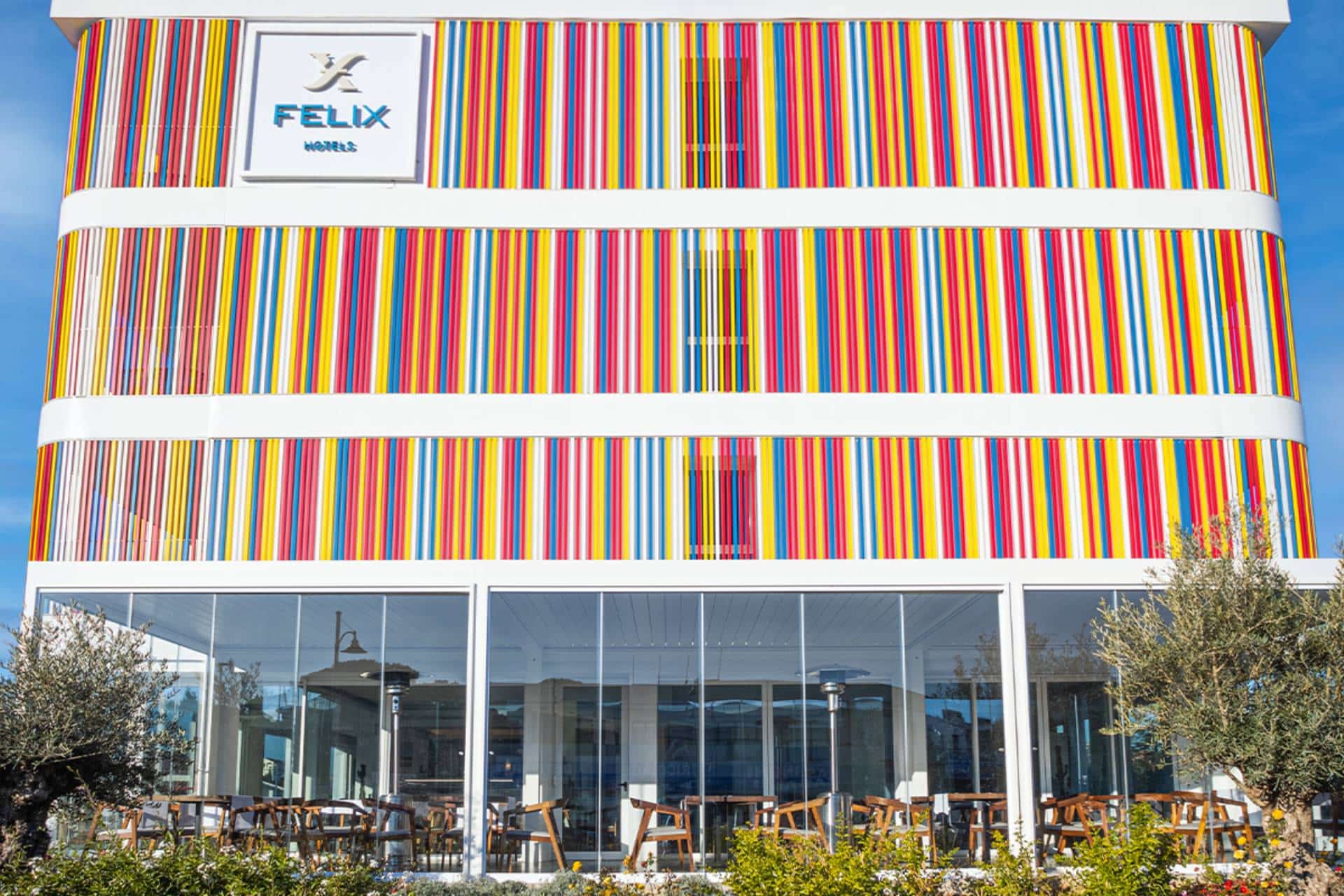
After exploring hidden coves and scenic coastal trails, there is no better way to end the day than in a place where comfort meets breathtaking sea views. The Felix Hotel La Coluccia is perfectly positioned just steps from Conca Verde Beach, overlooking the La Maddalena Archipelago and the island of Spargi. This contemporary design villa blends modern elegance with traditional Sardinian influences and features two restaurants, a wellness area and spacious outdoor terraces where guests can enjoy spectacular sunsets after a day of discovery.
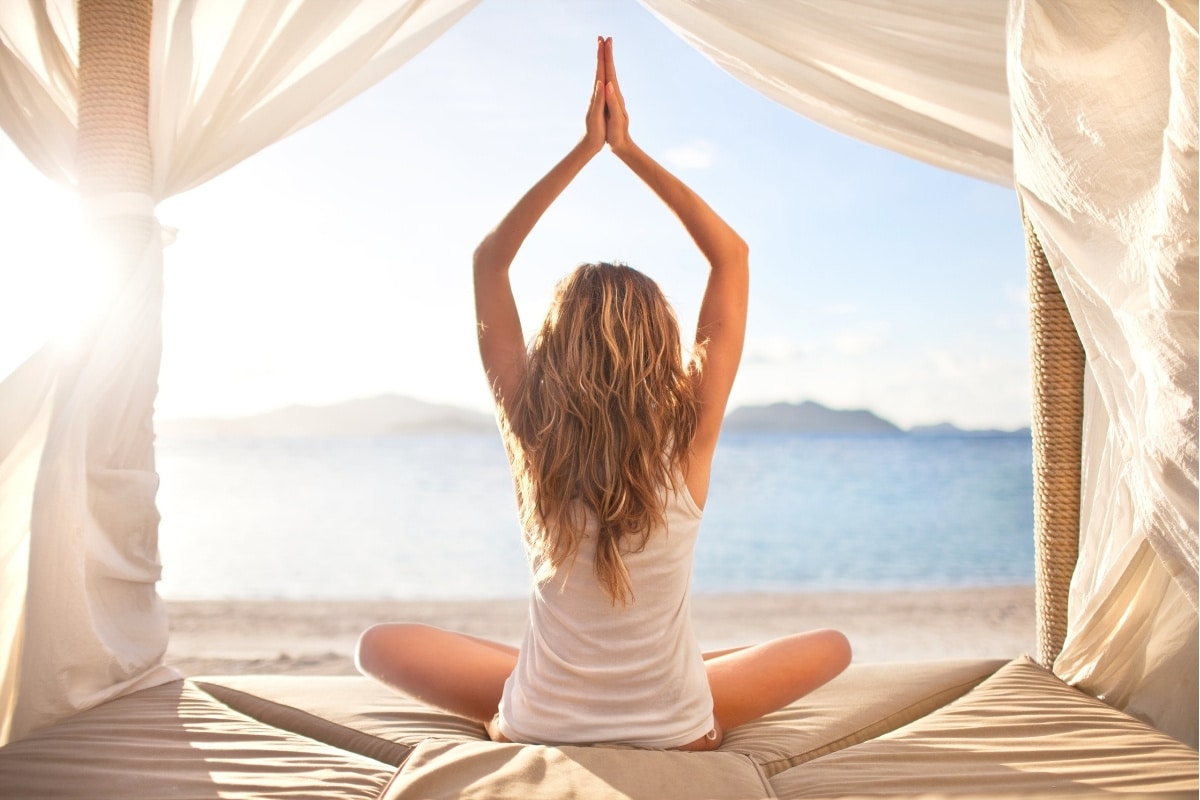
For travellers wishing to experience the coastline from the sea, the hotel’s beach provides the perfect departure point for boat trips to the hidden coves of Capo Testa and the archipelago. Guests looking for curated experiences can also discover the hotel’s experiences, including private boat excursions, outdoor yoga sessions and romantic poolside dinners, all designed for those wishing to enjoy Gallura at a slower, more mindful pace.
Practical Tips for Exploring Capo Testa
- The best time to visit the quieter coves is between May and June or during September, when the winds are gentler and the summer crowds have dispersed.
- Wear suitable footwear: the trails crossing the tafoni are uneven and can be slippery in places.
- Bring water and sun protection: many of the hidden coves offer neither facilities nor natural shade.
- Respect the environment: the Mediterranean scrub surrounding Capo Testa is extremely fragile, so visitors should remain on marked paths.
Capo Testa is far more than a postcard-perfect destination. It is a place where geology, wind and local folklore come together to create a landscape that rewards those willing to venture beyond the beaten path. And after a day spent among sculpted granite and legends whispered by the Mistral, returning to a seaside retreat overlooking the waters of Santa Teresa makes the experience truly unforgettable.